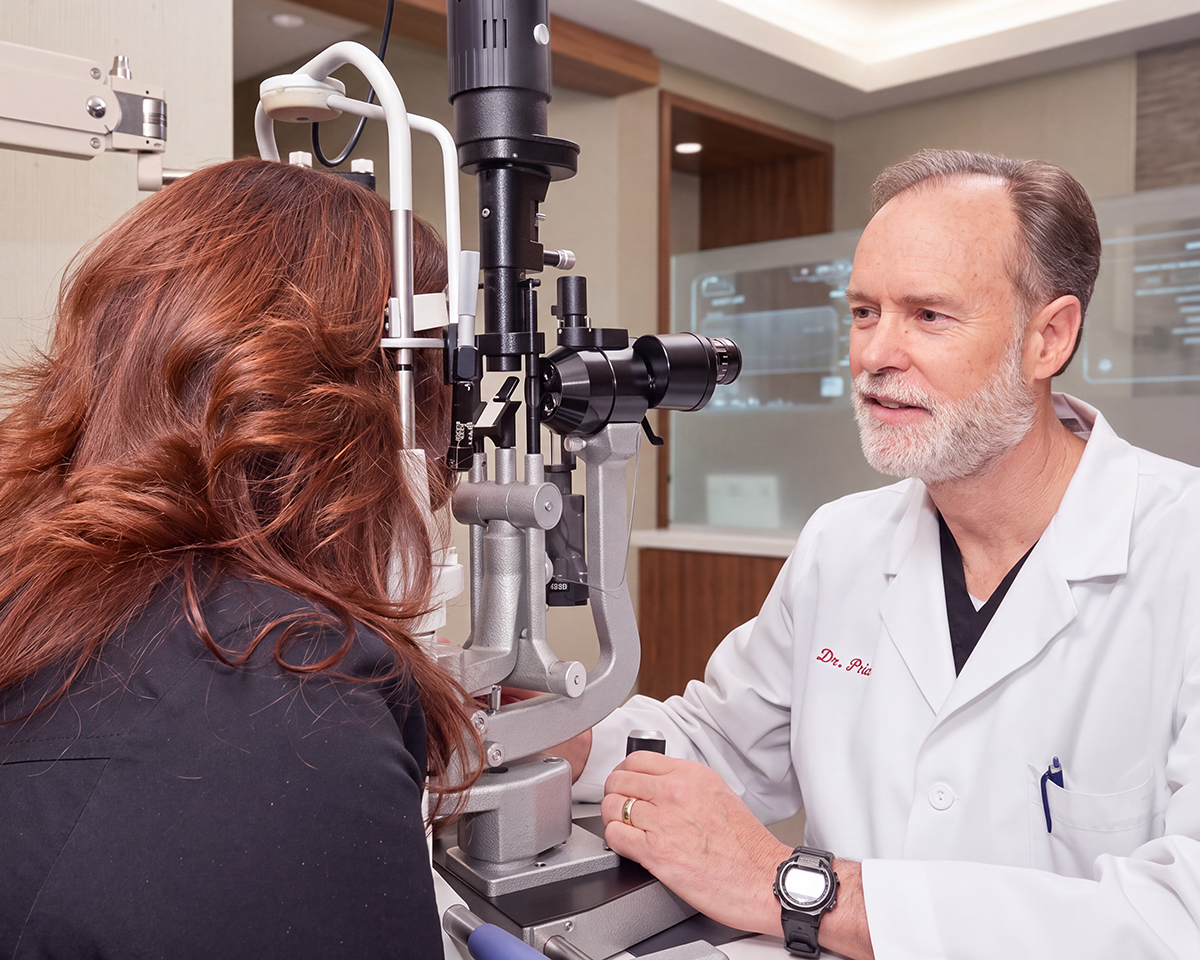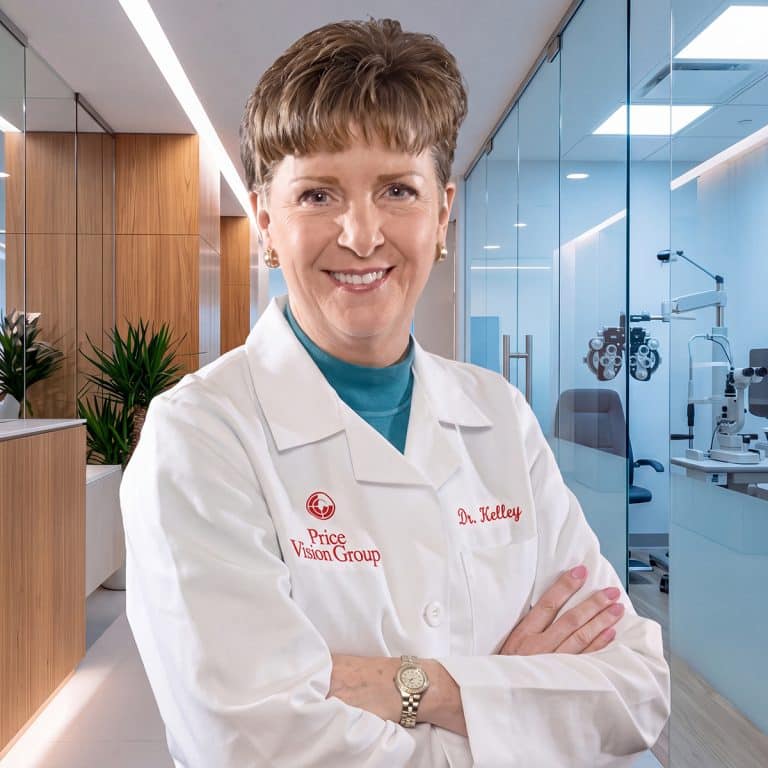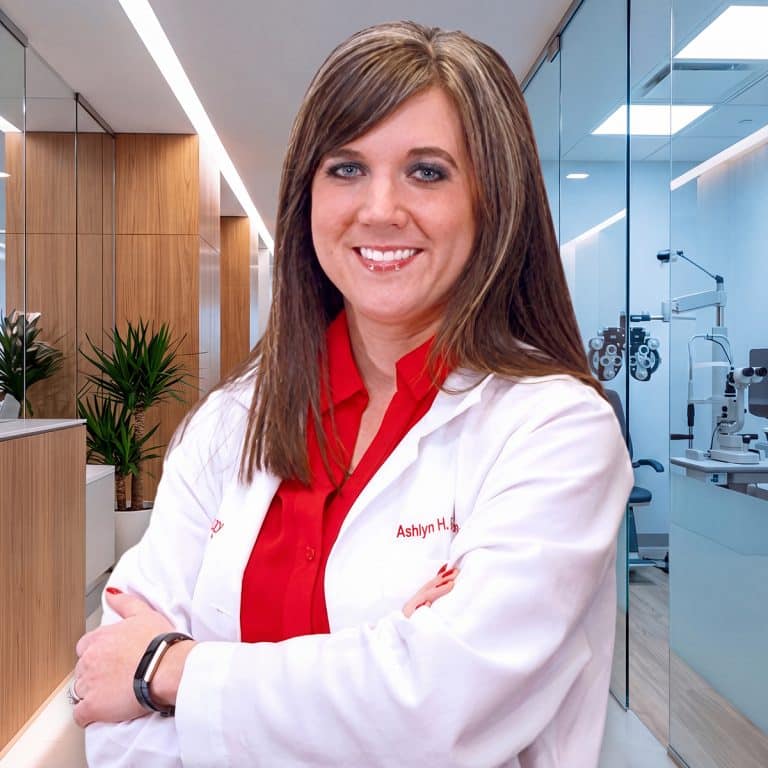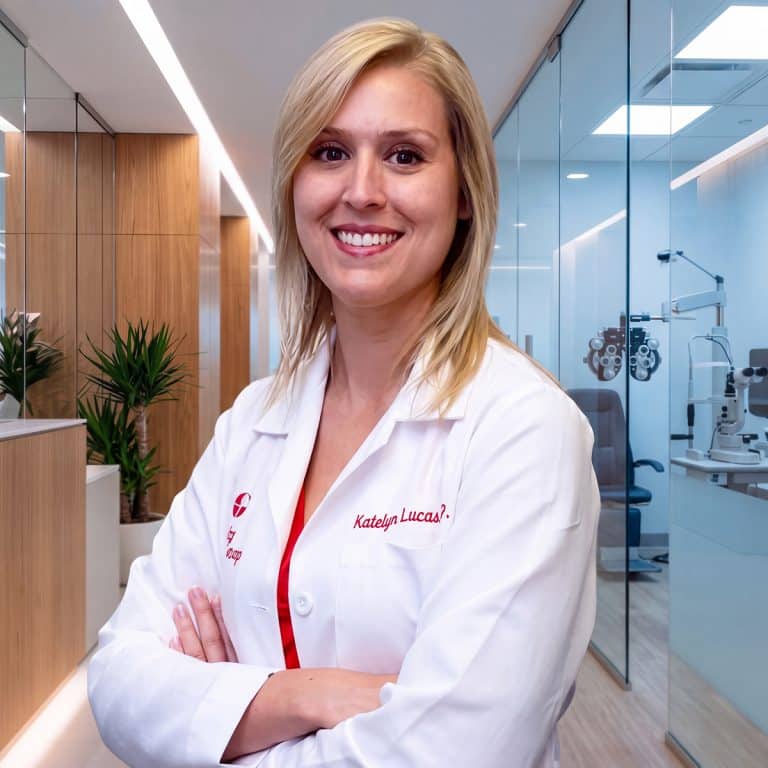




Price Vision Group is an internationally recognized leader in corneal and refractive care. In partnership with the Cornea Research Foundation of America, we have conducted more than 160 studies, including research that helped lead to FDA approval of LASIK. For over 30 years, we have combined advanced technology and groundbreaking research to provide innovative treatments, including corneal cross-linking for keratoconus, to patients from around the world.

Price Vision Group is an internationally recognized ophthalmology center for the diagnosis, treatment, and care of corneal and refractive disease. With our research partner, the Cornea Research Foundation of America, we have conducted more than 160 studies — including those that led to FDA approval of LASIK eye surgery.
For local and international patients living with keratoconus, we offer treatment options including corneal cross-linking. For more than 30 years we have paired the latest technology with ground-breaking research for patients from all over the world.
From dry eye diagnosis and comprehensive eye exams to modern vision correction, we are here for you — with each treatment matched to your visual needs and lifestyle.

Our flagship procedure, including topography-guided CONTOURA Vision.
LASIK reshapes the cornea, the clear front surface of the eye, to correct nearsightedness, farsightedness and astigmatism. It's accurate and safe, with minimal discomfort and a very short recovery, and it can reduce or eliminate your need for glasses or contacts.



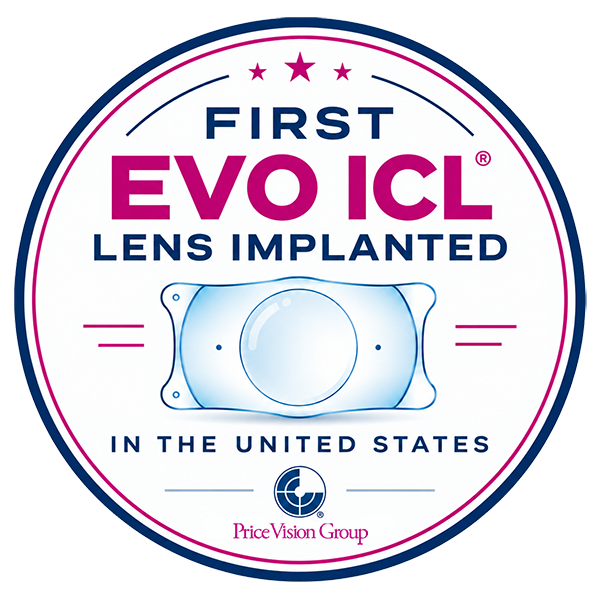
First EVO ICL implanted in the United States
Implantable lenses for patients who aren't ideal LASIK candidates.
The EVO ICL is a thin, flexible lens placed inside the eye, behind the iris, through a small incision that needs no stitches. It works like an internal contact lens to correct moderate to high nearsightedness and astigmatism.

Laser cataract surgery with premium and light adjustable lens options.
A cataract is a clouding of the eye's natural lens that dulls and blurs your vision over time. Surgery takes only minutes: the cloudy lens is removed and replaced with a clear artificial lens chosen to suit your vision goals.

Lens replacement for presbyopia and near-vision correction.
As we age, the eye's natural lens stiffens and up-close vision fades, usually starting in our mid-40s. Refractive lens exchange replaces that lens with an artificial one, and because the natural lens is gone, you'll never need cataract surgery later.

Conducting more than 160 clinical studies alongside our research partner, Cornea Research Foundation of America
Price Vision helped pioneer the evolution from older full-thickness corneal transplantation to endothelial keratoplasty, including DSEK and DMEK for treatment of Fuchs Dystrophy
Price Vision has specialized expertise, advanced diagnostics and treatment options for keratoconus. If you are seeking a second opinion call us today!
Let’s determine whether the onset of cataracts is creating these symptoms. If it is, modern cataract surgery can restore vision at multiple distances — choices that last a lifetime.


Dr. Price rivals DaVinci in the operating room. Full thickness corneal transplant went well. Some vision the very next day. No pain after surgery. No nausea. No severe headache. Friends told us to expect all three side effects that happened in other surgery centers. Simply reflects the expertise of the Price Vision Group.
I had a great experience with Price Vision Group. Every employee I interacted with was extremely friendly, professional, and knowledgeable. They took the time to answer all of my questions thoroughly, which made me feel confident and comfortable leading up to surgery day. The entire team did an excellent job explaining the process and setting expectations. If you’re considering LASIK, I highly recommend Price Vision Group for their outstanding care and customer service.
The Price Vision Group was very professional and knowledgeable. I felt cared for and in excellent and trustworthy hands. I will recommend them highly to anyone else who asks about my cataract surgery experience.